
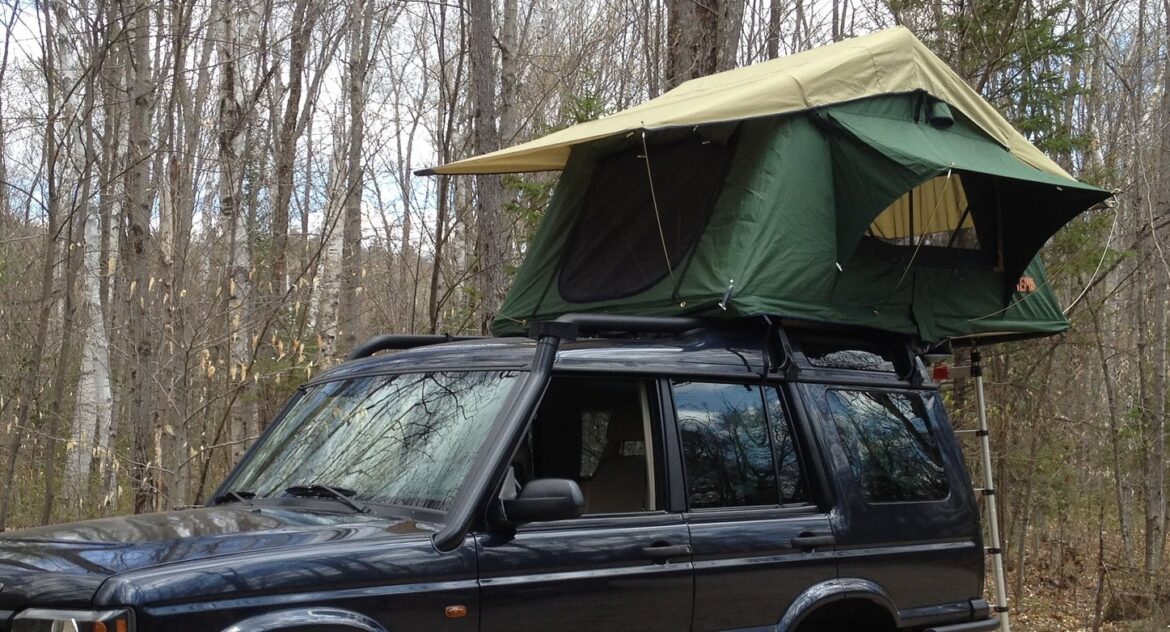
Picture this. You’ve just hiked twelve miles through dense timber, tracking that elusive bull elk. The sun’s setting fast, and you’re miles from the nearest campground. But instead of scrambling to set up a ground tent in the fading light, you simply pull a lever, and your bedroom unfolds above your truck in under three minutes. Welcome to the world of rooftop tents—the shelter system that’s revolutionizing how serious outdoorsmen approach backcountry camping.
Understanding the Rooftop Tent Revolution
A rooftop tent is a portable shelter mounted to the roof of your vehicle or rack system. But that simple definition doesn’t capture the magnitude of what this gear represents for hunters, anglers, and outdoor enthusiasts who live for remote adventures.
These elevated shelters eliminate the age-old camping hassles that have plagued outdoorsmen for generations. No more searching for level ground or clearing rocks from under your sleeping area. No more crawling into a soggy tent after a day of fishing in the rain. They are quick to deploy, favored by overlanders, and bridge the gap between a traditional tent and a recreational vehicle.
The concept isn’t new. European adventurers pioneered rooftop camping in the 1930s, calling it “auto camping.” Back then, it solved the same problem it solves today—providing reliable shelter when hotels are full or nonexistent. What’s changed is the technology and the growing community of overland enthusiasts embracing this style of camping.
Types That Define the Market
Hard Shell vs. Soft Shell Systems
The rooftop tent market splits into two distinct categories, each serving different outdoor lifestyles. Hard Shell systems feature rigid tops that open like a clamshell, revealing the sleeping area instantly. These units excel in harsh weather conditions and offer superior protection from wind and precipitation. Popular brands like Naturnest and Alpine Overland have perfected this design for serious backcountry use.
Soft Shell tents unfold like traditional canvas shelters but mount securely to your roof rack system. Brands like BIVVY V2, JOYTUTUS, and AOSIOY have refined this approach, offering larger sleeping areas and more headroom once deployed. The Sanhima Rooftop Tent represents a perfect example of soft shell innovation, providing family-sized accommodation while maintaining manageable weight.
Overland Vehicle Systems Integration
Modern rooftop tents integrate seamlessly with Overland Vehicle Systems, creating complete mobile basecamp solutions. These systems transform trucks and SUVs into self-contained adventure platforms capable of accessing remote National Forests and Bureau of Land Management areas where traditional RVs can’t venture.
Why Serious Outdoorsmen Choose Elevated Camping
Speed and Efficiency in the Field
Most rooftop tents can be opened and ready for use in about three to four minutes average. This speed advantage proves invaluable when you’re chasing migrating waterfowl or need to establish camp quickly in changing weather conditions. Traditional tent setup often takes twenty minutes or more, especially in challenging conditions.
The teardown process mirrors this efficiency. After a successful hunt or fishing trip, you’re not spending precious time wrestling with poles and stakes. Simply fold, latch, and drive. This efficiency matters when you’re trying to beat weather fronts or maximize time afield.
Weather Protection That Works
The materials used to make rooftop tents are often designed to withstand harsh weather conditions better than ground tents. The elevated position provides natural drainage, preventing the puddle formation that plagues ground-level camping. Wind resistance improves significantly when you’re sleeping above ground level rather than in a valley where cold air settles.
During winter camping seasons, the vehicle’s roof provides insulation from ground frost and snow. This thermal advantage can mean the difference between comfortable sleep and a miserable night when temperatures drop below freezing.
Strategic Advantages for Hunters and Anglers
Elevation offers tactical advantages beyond comfort. From a rooftop position, you can glass for game at first light without leaving your shelter. Many successful hunters report spotting deer, elk, and other wildlife from their elevated vantage point before other campers even wake up.
For anglers, rooftop camping near prime waters means you’re on the lake or stream while the fish are actively feeding. No driving to distant campgrounds—you’re positioned exactly where you need to be when opportunity strikes.
Vehicle Compatibility and Weight Considerations
Dynamic vs. Static Load Capacity
Understanding your vehicle’s load limits determines which rooftop tent systems will work safely. Most roof-top tents weigh more than a hundred pounds, so you need to be sure that your rack is up to the task. Dynamic load capacity refers to weight limits while driving, typically ranging from 110 to 200 pounds for most vehicles.
Static load capacity—the weight your roof can support when parked—dramatically exceeds dynamic limits. When a car is stationary (the only time people are inside), the roof can take 5x the dynamic roof load limit, so can easily handle the weight of several people too. This safety margin accommodates hunters, gear, and family members without structural concerns.
Rooftop Tent Truck and SUV Considerations
Trucks and SUVs naturally suit rooftop tent installations better than sedans. The higher ground clearance provides easier access, while robust frames handle weight without stress. Popular configurations include Rooftop Tent Truck setups over the cab area and SUV Camping arrangements using rear-mounted systems.
The SUV Camping Rooftop Tent with Ladder configuration has become standard for family hunting and fishing trips. The ladder system provides safe access while doubling as additional structural support for the tent platform.
Essential Features for Outdoor Enthusiasts
Built-in Comfort Systems
Quality rooftop tents include dense foam mattresses that rival home bedding comfort. This feature proves crucial during multi-day hunting trips when rest quality directly impacts performance afield. Integrated storage pockets keep essential gear organized and accessible without cluttering the sleeping area.
Many premium models feature panoramic windows for stargazing and wildlife observation. These windows transform your shelter into an observation blind, perfect for monitoring game movement or simply enjoying the night sky after a successful day outdoors.
Weather-Resistant Construction
Canvas and aluminum construction materials resist UV degradation, mold, and moisture damage common in traditional tents. Waterproof zippers and sealed seams prevent leaks during extended rain events. Quality models feature adjustable ventilation systems that prevent condensation buildup while maintaining comfortable temperatures.
Installation and Rack System Requirements
Professional vs. DIY Installation
While manufacturers market rooftop tents as DIY-friendly, professional installation ensures proper weight distribution and safety. Though setup is a breeze once you drive your vehicle into camp, the initial process of bolting the tent to the roof rack will take some time. The process requires precise alignment and torque specifications that affect long-term reliability.
Most installations require upgrading factory roof racks to aftermarket systems designed for heavy loads. Companies like Thule, Yakima, and Rhino-Rack manufacture rack systems specifically engineered for rooftop tent applications.
Rack Compatibility Essentials
Check the owner’s manual to be sure that your rack works with a roof-top tent. (Some racks/components are listed as “not compatible.”) Factory racks often lack the load capacity and mounting points necessary for safe rooftop tent installation. Investing in a proper rack system proves essential for both safety and performance.
Costs and Value Proposition
Initial Investment Analysis
Rooftop tents require significant upfront investment, typically ranging from $1,500 to $5,000 depending on size and features. This cost includes the tent, mounting hardware, and often necessary rack upgrades. Cost: Significantly pricier than a camping tent (cheaper than an RV, though) However, the investment pays dividends for serious outdoorsmen who camp frequently.
The value proposition becomes clear when comparing costs to hotel stays during hunting and fishing trips. A quality rooftop tent can pay for itself within two seasons of regular use, while providing access to remote areas impossible to reach with traditional accommodations.
Long-term Durability Benefits
Quality rooftop tents last decades with proper maintenance. The robust construction materials resist wear better than traditional camping gear, making them ideal for serious outdoorsmen who demand reliable equipment. This durability proves especially important for hunters and anglers who camp in challenging conditions regularly.
Real-World Applications for Outdoorsmen
Hunting Season Mobility
Rooftop tents excel during hunting seasons when flexibility and rapid deployment matter most. Following game migration patterns becomes simple when your camp moves with your truck. Early season archery hunts, late season rifle hunts, and waterfowl hunting all benefit from this mobility advantage.
Public land hunters particularly appreciate the ability to camp legally on National Forest and Bureau of Land Management properties. These areas often prohibit RV camping but welcome dispersed camping with appropriate vehicles and equipment.
Fishing Expedition Efficiency
Serious anglers understand that prime fishing locations rarely coincide with convenient campgrounds. Rooftop tents solve this problem by enabling camping directly at productive waters. Whether chasing steelhead on remote rivers or targeting trophy bass on backcountry lakes, rooftop camping puts you where the fish are.
The elevated sleeping position also provides security advantages when camping alone in remote areas. Bears and other wildlife show less interest in elevated shelters compared to ground-level tents.
Seasonal Considerations and Versatility
Year-Round Camping Capability
Modern rooftop tents handle four-season camping with proper preparation. Winter camping requires additional insulation and heating considerations, but the elevated position provides significant advantages over ground-level alternatives. Snow doesn’t accumulate under the tent, and cold air drainage affects ground sleepers more than elevated campers.
Summer camping benefits from improved airflow and reduced insect encounters. The elevation puts you above most mosquito and tick activity zones while providing better breezes for temperature control.
Weather Pattern Adaptation
Built for all kinds of weather. The materials used to make rooftop tents are often designed to withstand harsh weather conditions better than ground tents. This weather resistance proves crucial during unpredictable outdoor conditions common during hunting and fishing seasons.
Bringing It All Together
Rooftop tents represent more than camping gear—they’re tools that expand outdoor possibilities. For hunters tracking game across vast public lands, anglers pursuing fish in remote waters, and families introducing children to outdoor adventures, these elevated shelters eliminate barriers that once limited outdoor access.
The investment pays dividends in comfort, convenience, and capability. While the initial cost requires consideration, serious outdoorsmen quickly discover that rooftop tents enhance every aspect of their outdoor experience. From the speed of camp setup to the security of elevated sleeping, these systems transform how we approach backcountry adventures.
Whether you’re pursuing elk in remote National Forests, fishing pristine lakes accessible only by 4WD vehicles, or simply wanting reliable shelter for weekend getaways, rooftop tents offer solutions that traditional camping gear cannot match. The revolution in outdoor shelter has arrived, and it’s mounted on your roof rack.